
Notes on AI agents, legal infrastructure, data rights, and the governance questions that decide whether deployment can scale safely.

Perspective

Keep the Data. Prove the Permission.
How to find the balance between privacy law, data governance and maximising the value of your data estate... bake in the consents.

Legally Authenticated Data Estates: Ensuring Compliance and Trustworthy AI
An estate is not what you possess. It is what you hold by right, and data is no exception. Nooriam technology exposes the true value of your data estate and let's you build AI models with legal confidence.

The Techno-Legal Framework to Govern Autonomous Entities
Nooriam is the governance layer between organisational autonomous system environments. It is techno-legal infrastructure that addresses the challenge of managing liability and attributing value from the operation of systems such as agentic AI.

Nooriam: Solving AI Coordination Problems
Sovereign legal infrastructure helps solve a material coordination problem facing governments everywhere: rapid propagation of AI systems which compel usage but with no ready means of coordination and machine speed governance.
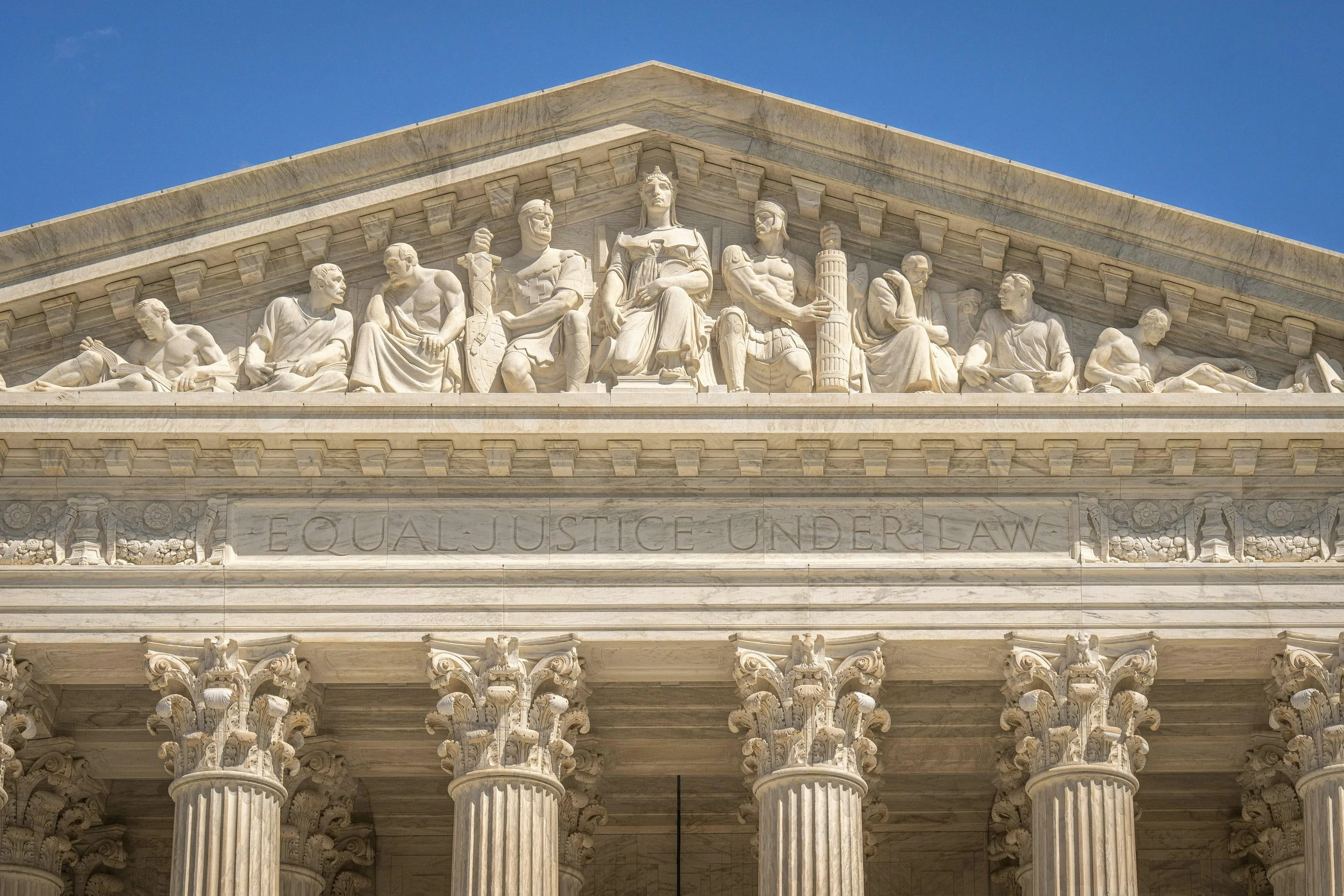
Legal Infrastructure must be Sovereign Infrastructure
Every well-functioning legal system is sovereign. The sovereignty of next generation techno-legal infrastructure must be a design choice. Infrastructure hardens quickly once it is in the ground, and once it is hardened the jurisdictions that did not think about sovereignty at the design stage will discover that their legal systems have become, quietly and without anyone having decided this, creatures of whichever technology stack reached market first.

AI agent liability: what Moltbook means for directors
Autonomous AI agents are being deployed at enterprise scale across the world's largest organisations. The legal and governance infrastructure to manage what they do has not kept pace. When those agents interact across organisational boundaries, that gap becomes a compliance exposure, a regulatory risk, and a question of directorial liability.

The Responsible AI Problem
AI systems are not people under the law. In the future they may be. Even if AI systems become legally responsible in the future, we still face a fundamental problem. Human punishments for breaking the law do not work against synthetic stakeholders.

Legal infrastructure and the Six Layer Cake
Jensen Huang's March 2026 essay lays out AI as a five-layer stack: energy, chips, infrastructure, models, applications. He argues that each layer reaches down through the ones beneath it, and that the whole thing is really an industrial transformation rather than a software story. For the hardware and the economics, this is probably a useful way to describe the world with AI. What it leaves out is a foundational layer of the cake - law.